August 19, 2026
Maintaining a home requires constant vigilance, yet minor roof damage often gets ignored until severe structural leaks occur during heavy rainstorms. What begins as a slightly loose shingle or minor flashing gap can quickly escalate into an expensive restoration project if homeowners postpone necessary maintenance. Understanding why these minor flaws transform into widespread structural damage helps property owners protect their investments. Hiring a qualified local roofing contractor early ensures minor vulnerabilities get fixed before deteriorating further. By learning how minor deterioration spreads, homeowners can save thousands of dollars while protecting their indoor living space from costly water damage, pest infestations, and hazardous structural rot.
1. Ignoring Minor Leaks
Ignoring minor water stains on ceiling drywall often allows hidden moisture to rot underlying wooden rafters silently. When water penetrates asphalt shingles, it travels along roof decking before revealing visible ceiling damage inside living areas. Homeowners who delay calling a local roofing contractor often experience extensive timber decay and hidden mold growth behind walls. Over time, constant dampness weakens load-bearing roof trusses, requiring emergency structural stabilization. Prompt inspection stops minor water intrusion from corrupting structural elements, preventing complete ceiling collapses and hazardous biological growth inside attic insulation. Regular professional maintenance catches minor leaks early, protecting structural integrity while keeping repair costs manageable.
2. Neglecting Broken Shingles
Neglecting broken shingles exposes delicate underlayment materials directly to harsh sunlight, strong winds, and heavy rain. Strong winds easily lift damaged asphalt tabs, peeling away protective layers and leaving raw roof decking vulnerable to rot. Contacting a reliable local roofing contractor immediately ensures missing shingles get replaced before water compromises underlying plywood sheathing. When left unaddressed, exposed underlayment tears away, giving rainwater direct pathways into attic spaces. Over successive seasonal storms, small bare patches expand rapidly as wind forces rip adjacent shingles loose. Timely tile repairs prevent widespread surface damage, keeping your shelter fully sealed against unpredictable climate conditions.
3. Overlooking Flashing Damage
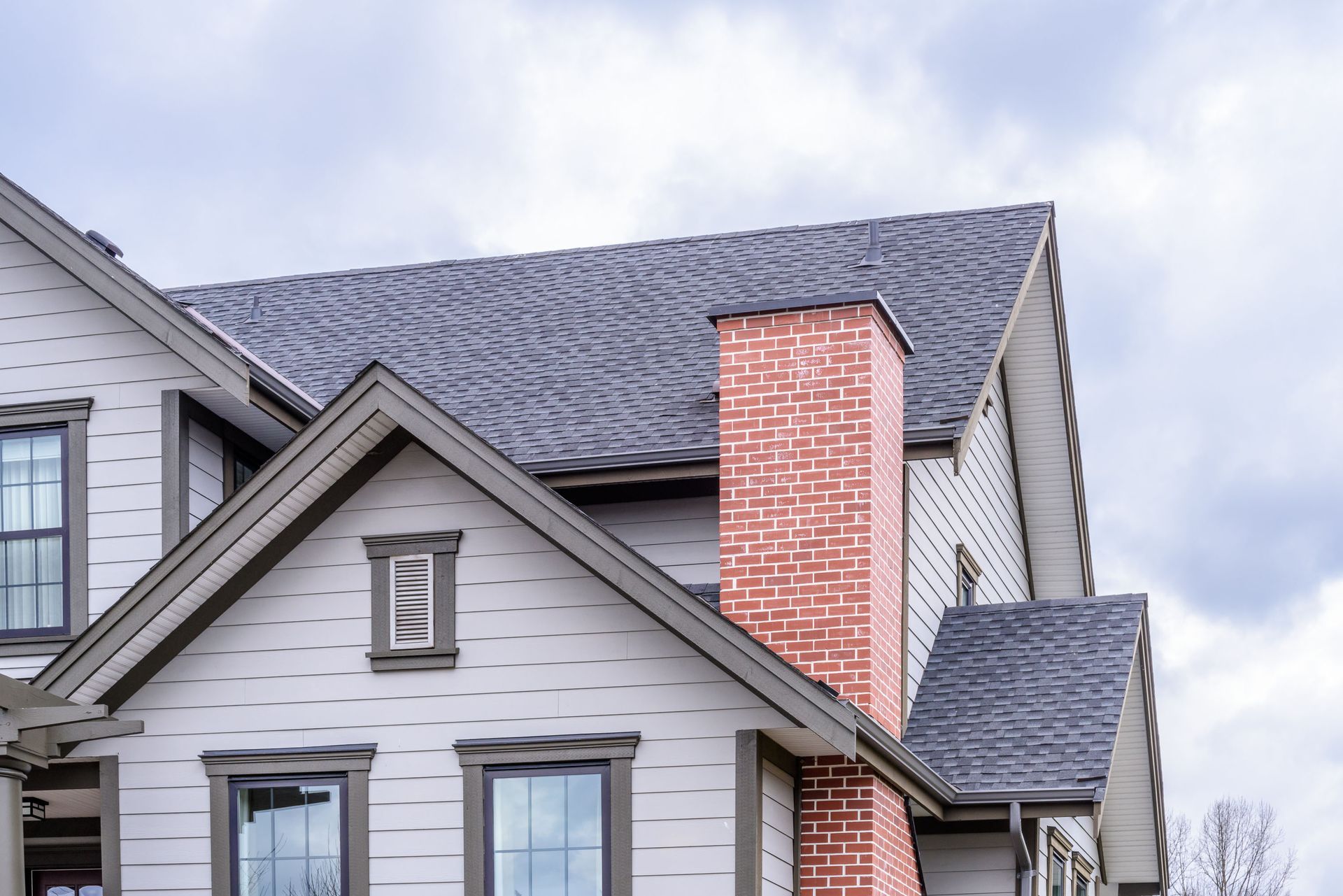
Overlooking flashing damage around chimneys, skylights, and plumbing vents creates direct channels for water penetration. Metal flashing prevents rain from entering high-risk seams, but thermal expansion frequently causes sealant cracks or loose fasteners over time. A skilled local roofing contractor can quickly reseal these joints before water seeps beneath surrounding shingles. Unchecked flashing gaps allow water to pool around structural intersections, rotting roof sheathing and damaging interior insulation layers. Moisture trapped around metal seams accelerates rusting, compounding structural degradation during freezing winter cycles. Fixing minor metal seam separations immediately preserves sublayer materials, averting massive structural restoration projects down the road.
4. Delaying Regular Inspections
Delaying regular inspections prevents homeowners from detecting subtle surface wear before severe weather events strike. Minor issues like missing granule coatings or cracked caulking remain unnoticed until torrential downpours trigger severe indoor flooding. Scheduling a local roofing contractor for seasonal checkups identifies vulnerable areas, allowing proactive maintenance before major storms cause catastrophic damage. Regular evaluations pinpoint subtle sealant failure, loose flashing, and blocked drainage systems before costly destruction occurs. According to HomeGuide, installing a new roof can increase a home’s value, with homeowners often recouping 60% to 85% of the cost depending on the roofing material. Preventive evaluations preserve existing assets while extending overall structural lifespans significantly.
5. Allowing Debris Accumulation
Allowing debris accumulation along roof valleys and gutter systems traps standing water against delicate asphalt surface materials. Pine needles, falling leaves, and broken twigs absorb rainwater, forming heavy damp mats that rot underlying shingles. Consulting an experienced local roofing contractor helps clear stuck debris and repair waterlogged underlayment before rot reaches ceiling joists. Trapped dampness encourages moss growth, which lifts shingle edges and allows moisture to migrate upwards beneath protective layers. During heavy rains, clogged drainage channels overflow, backing up water underneath edge flashing and ruining soffits. Routinely clearing organic waste prevents premature material breakdown, maintaining proper water runoff patterns across surfaces.
6. Disregarding Attic Ventilation
Disregarding attic ventilation issues leads to intense heat build-up and excess moisture retention beneath roof decking. Poor airflow bakes asphalt shingles from underneath during hot summer months, causing premature cracking and blistered surfaces. In winter, trapped warm air melts roof snow, creating dangerous ice dams that force backup water under single layers. Proper ventilation balances indoor temperatures, reducing humidity levels that breed destructive rot and mold inside roof frames. Fixing airflow deficiencies protects insulation efficiency while preserving structural decking materials. Addressing attic ventilation promptly extends shingle lifespans, lowering long-term energy consumption and preventing severe seasonal water damage across ceiling surfaces.
7. Postponing Gutter Maintenance
Postponing gutter maintenance allows overflowing water to pool directly along fascia boards and lower roof edges. Blocked gutters force heavy rainwater under eave shingles, rotting wood trim and ruining structural sub-framing quickly. Water cascading down exterior walls undermines home foundations while soaking interior drywall through window frames. Clean gutters direct heavy downpours safely away from structural walls, preventing costly foundation settling and soffit rot. Cleaning gutters regularly eliminates standing water reservoirs that attract breeding insects and pest infestations. Inspecting gutter attachments ensures heavy ice loads during winter months will not pull down entire drainage systems, saving money on structural repairs.
8. Tolerating Pest Infestations
Tolerating pest infestations allows squirrels, raccoons, birds, and rodents to chew through weakened wooden fascia boards. Small animals seek warm shelter inside attic spaces, tearing apart fiberglass insulation and chewing through critical electrical wiring. Chewed entry holes create large openings for rainwater, accelerating internal rot and ruining ceiling drywall throughout upper-floor rooms. Pests introduce bacteria, parasites, and foul odors that contaminate indoor air quality severely over short periods. Sealing tiny entry gaps promptly prevents destructive creatures from establishing nests inside wooden support trusses. Timely animal removal combined with structural repairs protects family health while safeguarding precious structural investments.
9. Misunderstanding Tree Threats
Misunderstanding tree threats leaves roof surfaces vulnerable to scraping branches, falling limbs, and dropping sap accumulations. Overhanging tree limbs scratch away protective granule coatings during strong winds, exposing raw asphalt to destructive solar radiation. Heavy falling branches puncture roof sheaths directly, causing sudden structural damage during severe summer thunder events. Dripping sap attracts dirt and promotes aggressive algae growth that breaks down shingle adhesives over time. Trimming back large tree branches keeps debris off roof surfaces while reducing shade that fosters damp moss growth. Proactive tree trimming eliminates major collision risks, protecting overhead structures from sudden storm destruction.
10. Dismissing Weather Damage
Dismissing weather damage after hail storms or high wind events allows hidden punctures to ruin internal framing slowly. Hail impacts crack shingle substrates without creating immediate interior leaks, lulling homeowners into a false sense of security. Minor hail bruises gradually expand into open holes as rain washes away loosened surface granules over months. Unaddressed wind uplift weakens shingle adhesive strips, making entire roof sections vulnerable to peeling off during future storms. Prompt post-storm assessments catch subtle material fractures before subsequent rainfall causes widespread ceiling damage inside living spaces. Repairing storm impact spots right away maintains seamless weather barriers, preventing massive future restoration bills.
11. Failing With DIY Repairs
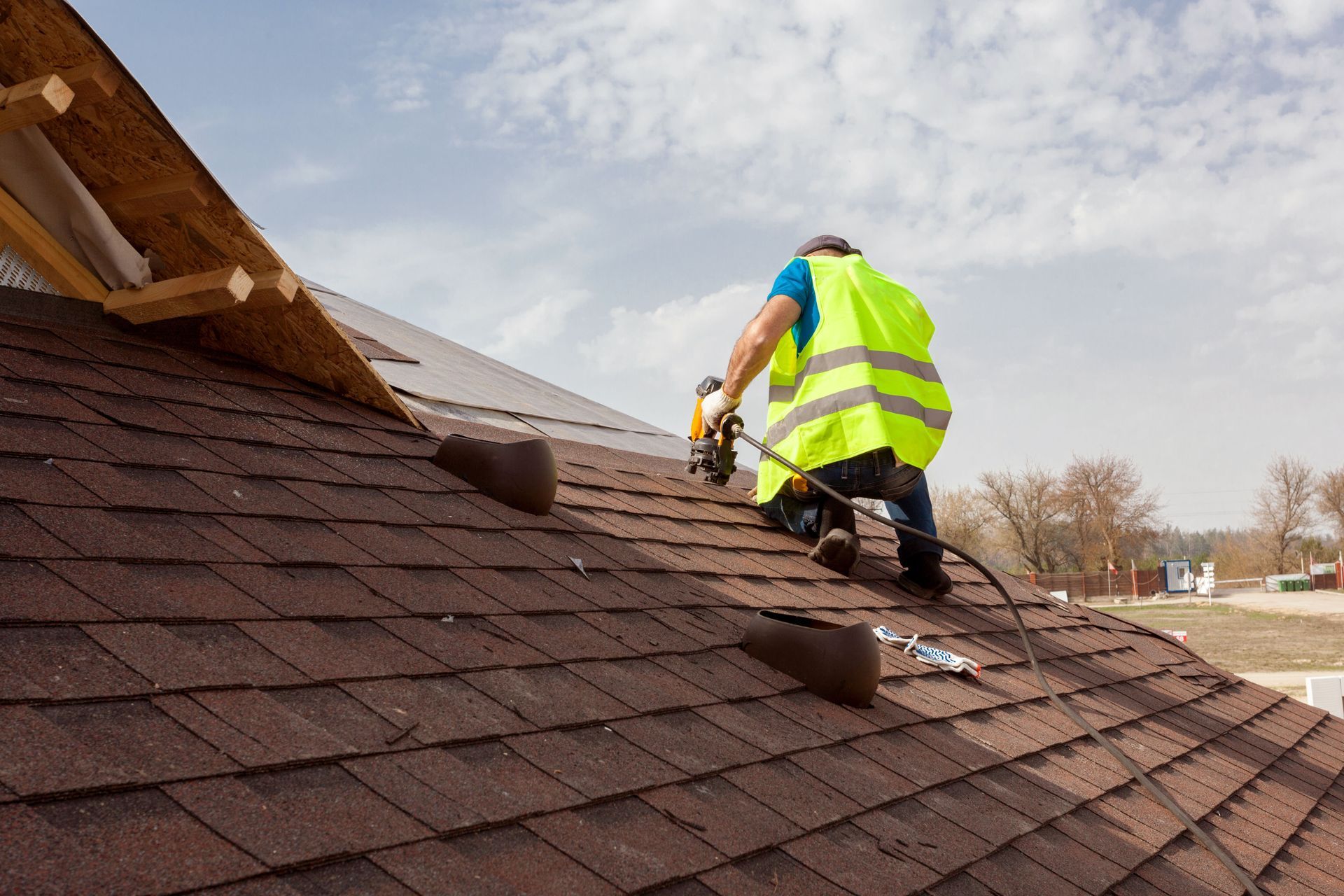
Failing With DIY repairs often turns minor shingle touch-ups into extensive structural damage due to improper technique. Untrained homeowners using incorrect sealants, wrong nail lengths, or misplaced flashing frequently create new pathways for water intrusion. Walking improperly across fragile roof surfaces cracks aged asphalt tiles and compresses delicate underlayment materials unexpectedly. DIY mistakes often void manufacturer warranties, leaving property owners fully responsible for future structural repair costs. Hiring trained professionals ensures high-quality craftsmanship, correct material choices, and safe working practices across high-elevation locations. Professional repair work provides durable, long-lasting weather protection while avoiding dangerous personal injury risks during complex overhead tasks.
Escaping simple solutions inevitably transforms minor surface flaws into overwhelming structural restoration projects for homeowners. Proactive maintenance, timely professional inspections, and immediate repairs remain the most effective strategies for preserving structural integrity. Ignoring minor warning signs like loose shingles, moss growth, or flashing gaps always leads to higher financial burdens down the line. Protecting your home requires constant attention to small details before water damages internal framing, ceiling drywall, and valuable personal items. Investing in minor maintenance today guarantees a safe, secure shelter while preserving overall property value for decades to come. Taking immediate action remains the smartest choice for every responsible property owner. Are you seeking a local roofing contractor in all of Rhode Island and Massachusetts? Summer Exterior Inc has you covered! Call today to schedule service with us.