July 16, 2026
A roof protects the structure, comfort, and long-term value of a property, yet it is easy to overlook until a leak or visible damage appears. Small concerns can quickly become larger problems when moisture reaches insulation, framing, ceilings, or electrical components. Property owners need practical guidance to understand whether a roof requires a repair, a full replacement, or routine maintenance that can extend its useful life. A sound roof also supports indoor comfort, energy efficiency, and dependable protection for the belongings, equipment, and people inside the building.
Local roofing contractors help simplify those decisions by evaluating the condition of the roof and recommending work that fits the property’s needs. Because they understand regional weather patterns, common roofing materials, and local building requirements, they can offer solutions suited to the area. Their familiarity with nearby homes and commercial buildings also helps them recognize recurring problems and respond efficiently when urgent service is needed.
Addressing Roof Repairs Promptly
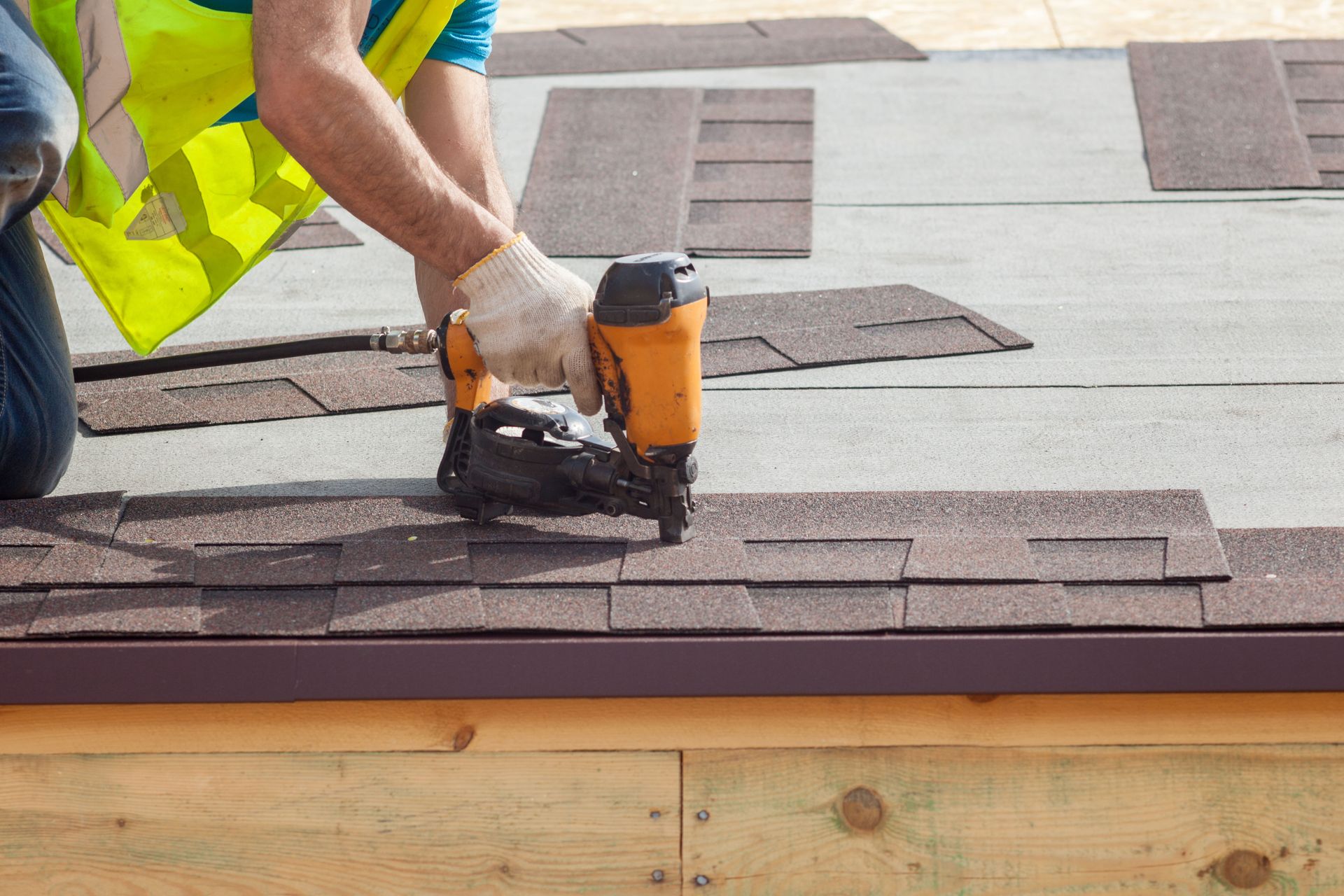
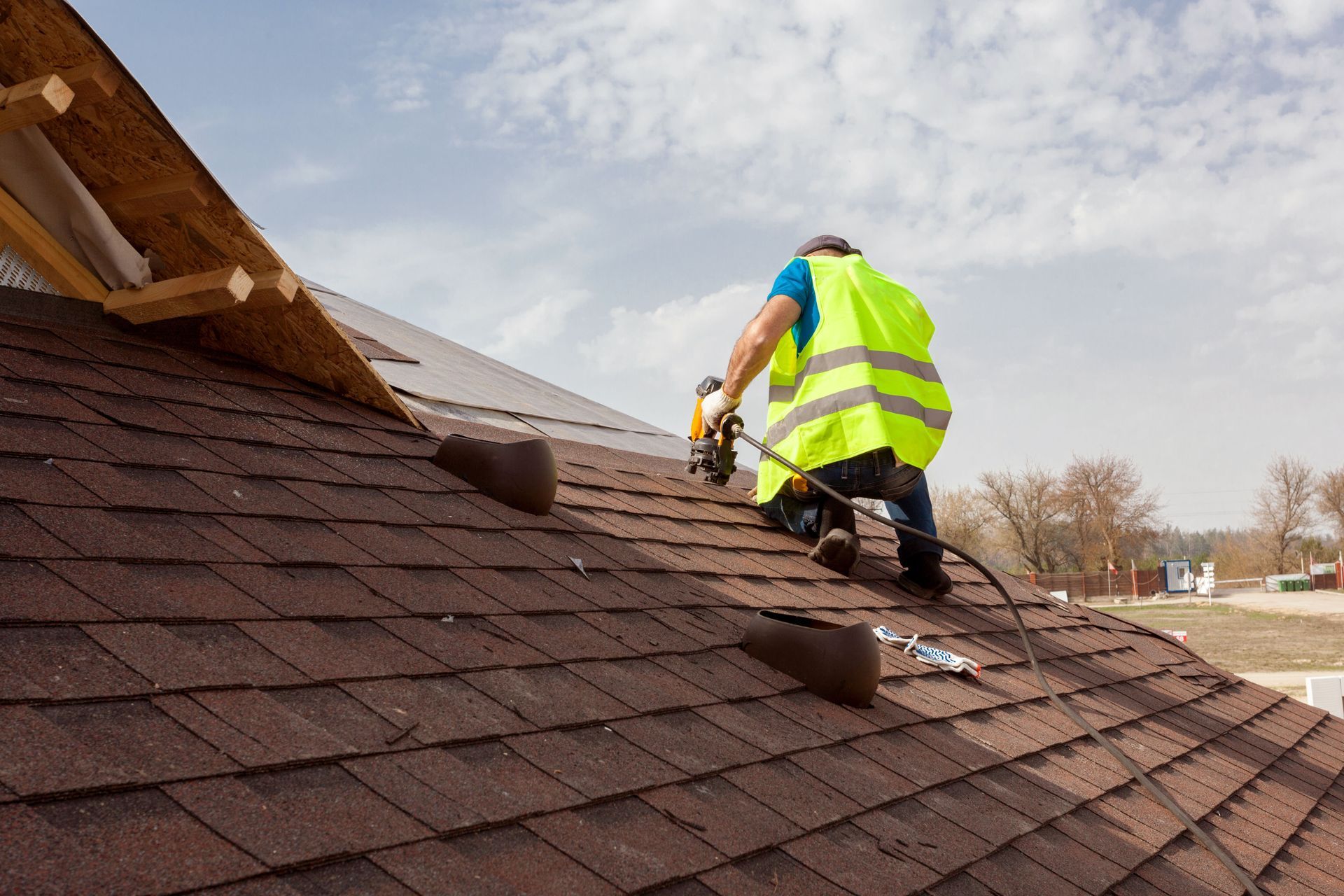
Roof damage does not always begin with a dramatic leak. Missing shingles, cracked flashing, loose fasteners, damaged vents, and worn sealants can allow water to enter gradually. Local roofing contractors can inspect these vulnerable areas, identify the source of the problem, and complete targeted repairs before the damage spreads. Early action may reduce the risk of stained ceilings, mold growth, weakened decking, and expensive interior restoration.
A professional repair also addresses the cause instead of covering only the visible symptom. Water can travel beneath roofing materials and appear inside the building far from the original entry point. Contractors use their knowledge of roof systems to trace moisture, examine surrounding components, and determine what must be repaired or replaced. This thorough process helps property owners avoid repeated service calls for the same unresolved issue.
Storms can create another need for fast repairs. High winds may lift shingles, falling branches can puncture roofing materials, and hail can weaken protective surfaces. Local roofing contractors are positioned to respond after severe weather and document the condition of the roof. They can explain which problems require immediate attention and which areas should be monitored over time.
Planning Roof Replacements Carefully
Every roof eventually reaches a point when repeated repairs are no longer the most practical option. Widespread deterioration, recurring leaks, sagging sections, extensive granule loss, or aging materials may indicate that replacement is necessary. Local roofing contractors can assess the entire system and help property owners compare the cost of continued repairs with the long-term value of a new roof.
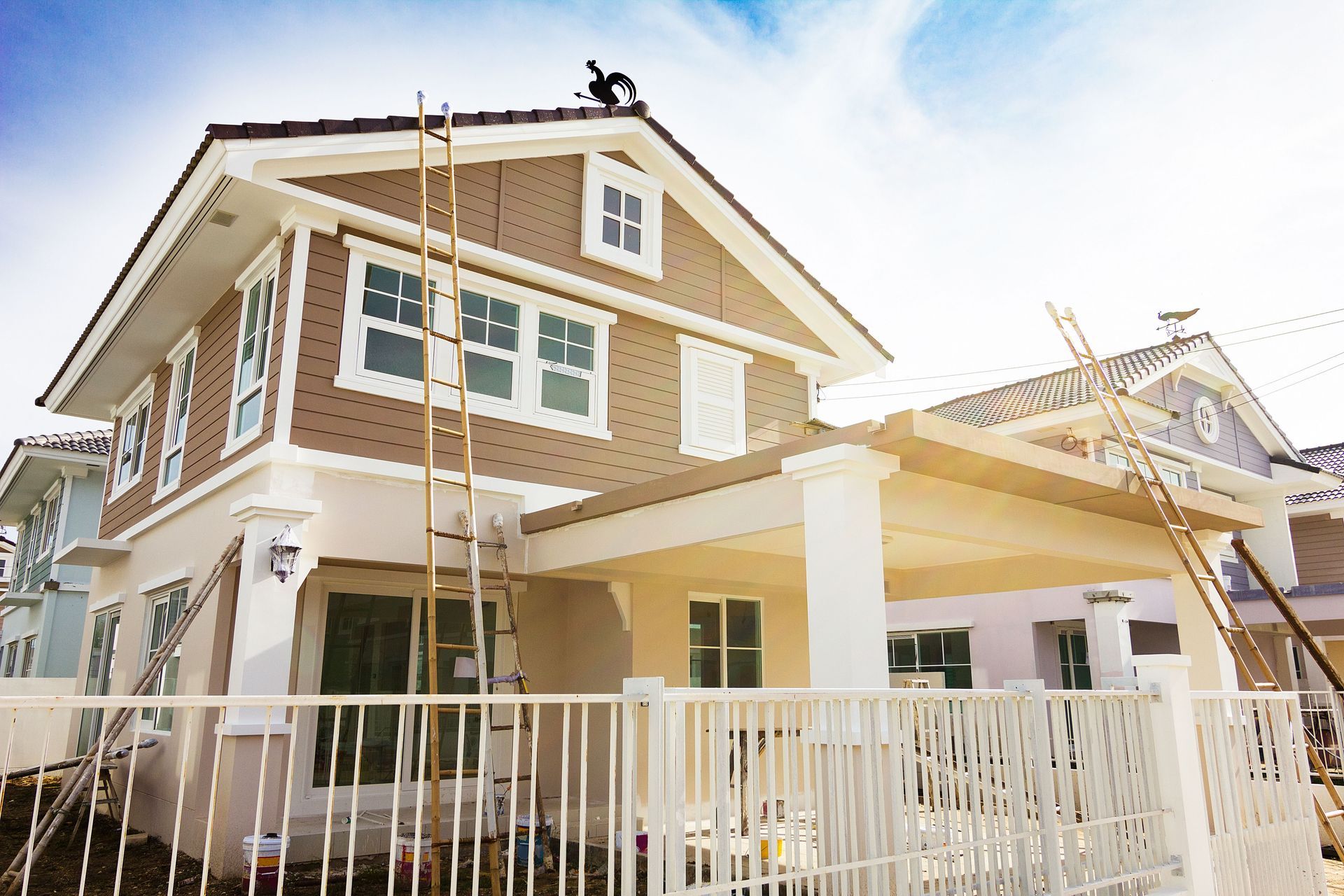
Replacement planning involves more than selecting a color or material. Contractors must evaluate the roof deck, ventilation, insulation, flashing, drainage, and structural details that affect performance. They can also explain how different materials respond to local heat, cold, wind, rain, and snow. This information helps property owners select a roof that complements the building while providing appropriate durability and energy performance.
Material choices may also support environmental goals. According to This Old House, one major benefit of metal roofs is that they are fully recyclable. A contractor can explain how metal roofing compares with asphalt shingles, tile, synthetic products, or other available options. Local roofing contractors can then recommend materials based on the property’s design, budget, maintenance expectations, and anticipated service life.
Maintaining Roof Systems Consistently
Routine maintenance can help prevent minor wear from becoming a major disruption. Leaves, branches, dirt, and other debris may collect in valleys or drainage areas, trapping moisture and interfering with water flow. Sealants can deteriorate, fasteners can loosen, and flashing can shift over time. Local roofing contractors can identify and correct these concerns during scheduled maintenance visits.
Maintenance is especially valuable after seasonal changes. Winter weather can stress roofing materials, while spring rain may expose drainage issues. Summer heat can accelerate aging, and autumn debris may clog gutters or downspouts. A consistent schedule gives contractors an opportunity to check the roof at useful intervals rather than waiting for an emergency.
Property owners also benefit from clear maintenance records. Documentation of inspections, repairs, and material conditions can make it easier to track changes over time. These records may support warranty requirements, budgeting decisions, and future property transactions. With regular oversight, local roofing contractors can help owners understand the condition of the system and plan upcoming work before it becomes urgent.
Inspecting Roofing Components Thoroughly
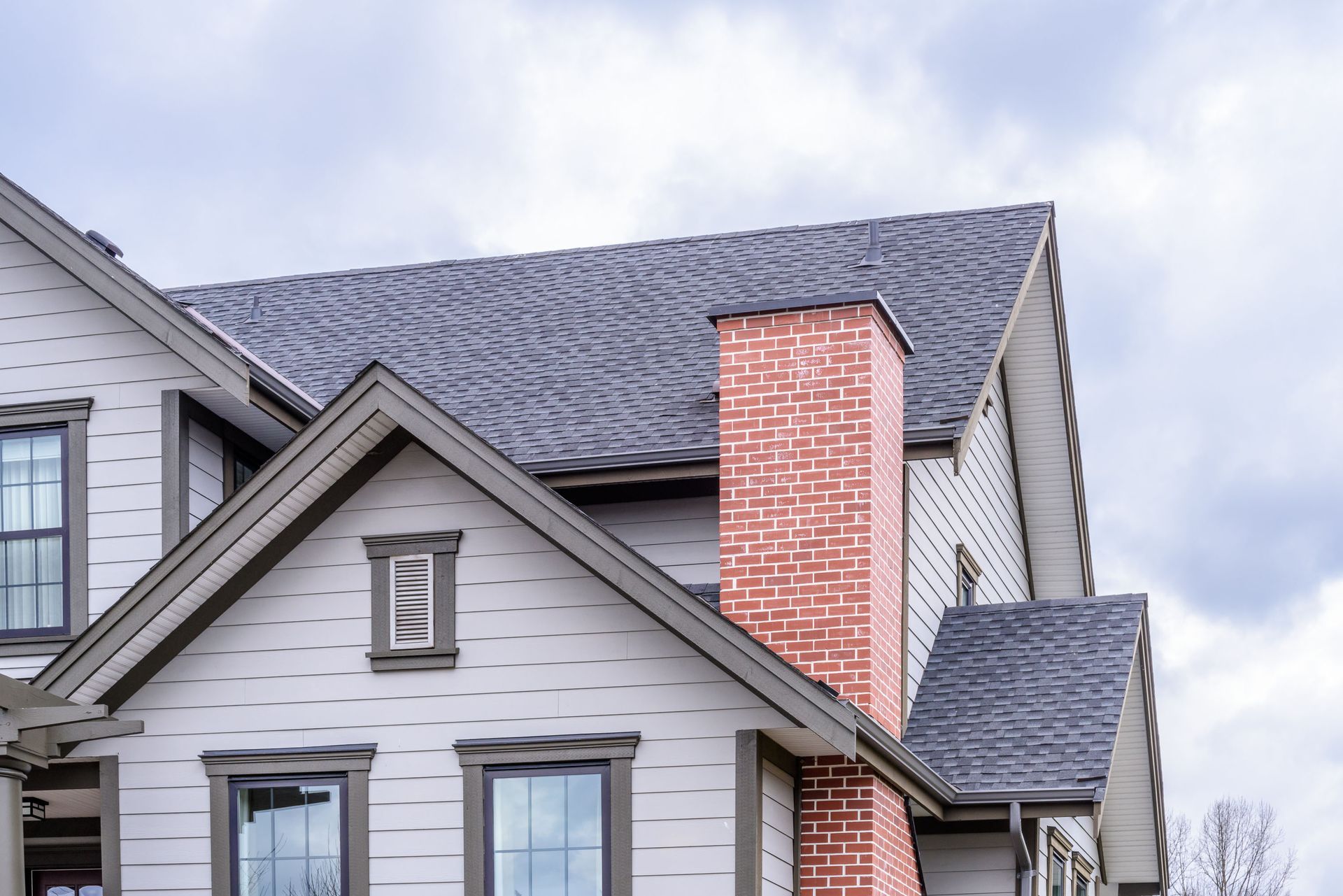
A complete roof inspection covers more than the surface materials. Contractors review flashing around chimneys, skylights, walls, and vents because these transition points are common sources of leaks. They may also inspect gutters, downspouts, soffits, fascia, drainage patterns, and visible attic conditions. Each component contributes to the roof’s ability to move water away from the building and control moisture.
Professional inspections can reveal problems that are difficult to see from the ground. Subtle shingle movement, small punctures, deteriorated pipe boots, soft decking, or inadequate ventilation may not be obvious to an untrained observer. Local roofing contractors know where to look and how to distinguish normal aging from signs of failure.
Safety is another reason to rely on trained professionals. Roof surfaces may be steep, slippery, unstable, or damaged. Contractors use appropriate equipment and procedures to examine the system without creating unnecessary risk. After the inspection, they can provide photographs, written findings, and prioritized recommendations that help owners make informed decisions.
Coordinating Roofing Work Efficiently
Roofing projects require careful coordination to protect the property and limit disruption. Contractors must schedule crews, arrange material deliveries, monitor weather conditions, prepare the site, and manage debris. Local roofing contractors can organize these details while keeping the owner informed about the expected timeline and any changes that arise.
Communication is especially important when hidden damage is discovered. Once old materials are removed, contractors may find deteriorated decking, damaged flashing, or ventilation problems that were not visible during the initial inspection. A responsible contractor explains the issue, outlines the available solutions, and discusses any effect on cost or timing before proceeding.
Efficient coordination also includes protecting landscaping, driveways, siding, windows, and outdoor equipment. Crews should establish safe work zones and complete cleanup after repairs or replacement. Local roofing contractors often depend on their reputation within the community, which gives them a strong reason to provide attentive service and maintain clear communication throughout the project.
Supporting Long-Term Roof Performance
The value of professional roofing service continues after the immediate work is complete. Contractors can explain warranty terms, recommended inspection schedules, ventilation needs, and warning signs that deserve attention. This guidance helps property owners care for the roof properly and avoid actions that could damage materials or affect warranty coverage.
Local knowledge can be particularly useful when planning for future weather. Contractors understand how regional storms, temperature changes, humidity, tree coverage, and seasonal debris affect nearby roofs. They can suggest preventive measures such as improved flashing, better drainage, ventilation upgrades, or strategic maintenance based on conditions common in the area.
A dependable roofing plan combines timely repairs, thoughtful replacement decisions, and consistent maintenance. Local roofing contractors provide the inspections, technical knowledge, and practical recommendations needed to support each stage of that plan. By addressing problems early and preparing for future needs, property owners can protect their buildings, control costs, and gain greater confidence in the condition of their roofs. When owners understand current conditions and likely future needs, they can budget more accurately and avoid making rushed decisions during a roofing emergency. Call Summer Exterior Inc today to schedule your roofing service.