April 20, 2026
A roof is one of the most critical systems in any home, yet it is often overlooked until a problem arises. Beyond simply keeping the elements out, a well-built roof protects structural integrity, improves energy efficiency, and contributes to long-term property value. Achieving durable, high-performing results requires more than quality materials—it demands professional planning, installation, and maintenance.
This is where a residential roofing contractor plays a decisive role. From initial assessment to ongoing upkeep, experienced contractors bring the technical expertise and process discipline needed to extend a roof's lifespan. Understanding how they operate—and why their approach matters—can help homeowners make more informed decisions and avoid costly mistakes.
Evaluating Structural Conditions Before Installation
Long-lasting roof performance begins with a comprehensive evaluation of the home's structure. A residential roofing contractor does not simply replace shingles; they assess the entire roofing system, including decking, ventilation, insulation, and drainage pathways. This diagnostic step identifies underlying weaknesses that could compromise longevity if left unaddressed.
For example, deteriorated decking or inadequate ventilation can accelerate wear, even when high-quality materials are used. Professionals use moisture detection tools, visual inspections, and structural assessments to ensure the foundation beneath the roofing system is sound. Skipping this step—common in DIY or rushed projects—often leads to premature failure.
By addressing structural concerns upfront, contractors create a stable base for installation. This proactive approach minimizes risk and ensures that every subsequent layer performs as intended over time.
Selecting Materials Based on Climate and Performance Goals
Material selection is not a one-size-fits-all decision. Climate conditions, architectural style, and performance expectations all influence what type of roofing system will deliver the best long-term results. A residential roofing contractor guides homeowners through these variables with a focus on durability and return on investment.
According to Openly, insurers commonly estimate roof lifespans at roughly 15–30 years for asphalt shingles, 40–70 years for metal systems, and up to a century or more for slate. These ranges highlight how material choice directly impacts longevity, but they also underscore the importance of proper installation and maintenance.
Contractors evaluate factors such as wind exposure, temperature fluctuations, and precipitation levels before recommending materials. They also consider energy efficiency, helping homeowners select options that reflect heat or improve insulation. This tailored approach ensures the roof is optimized for both performance and environment.
Implementing Installation Techniques That Prevent Failure
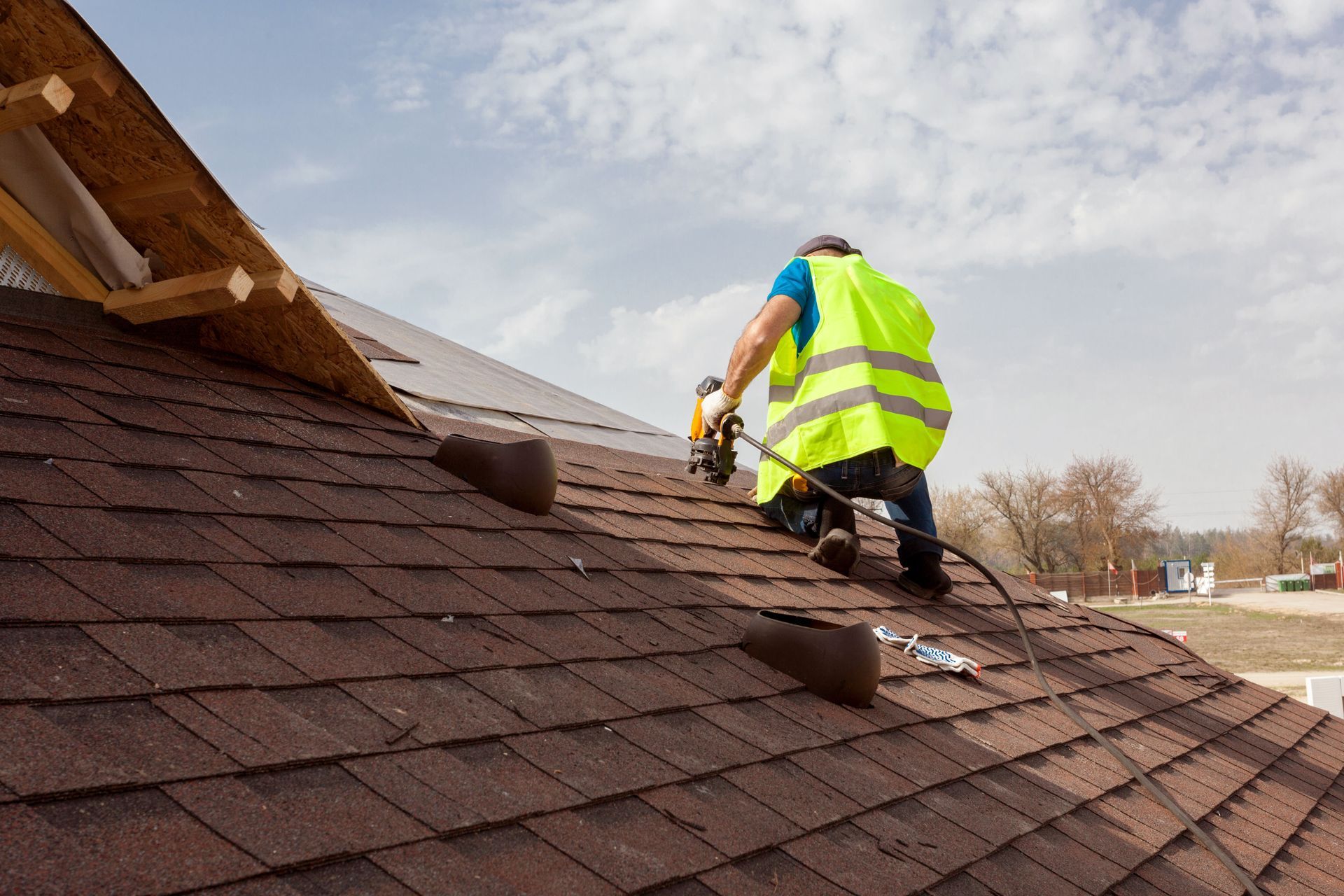
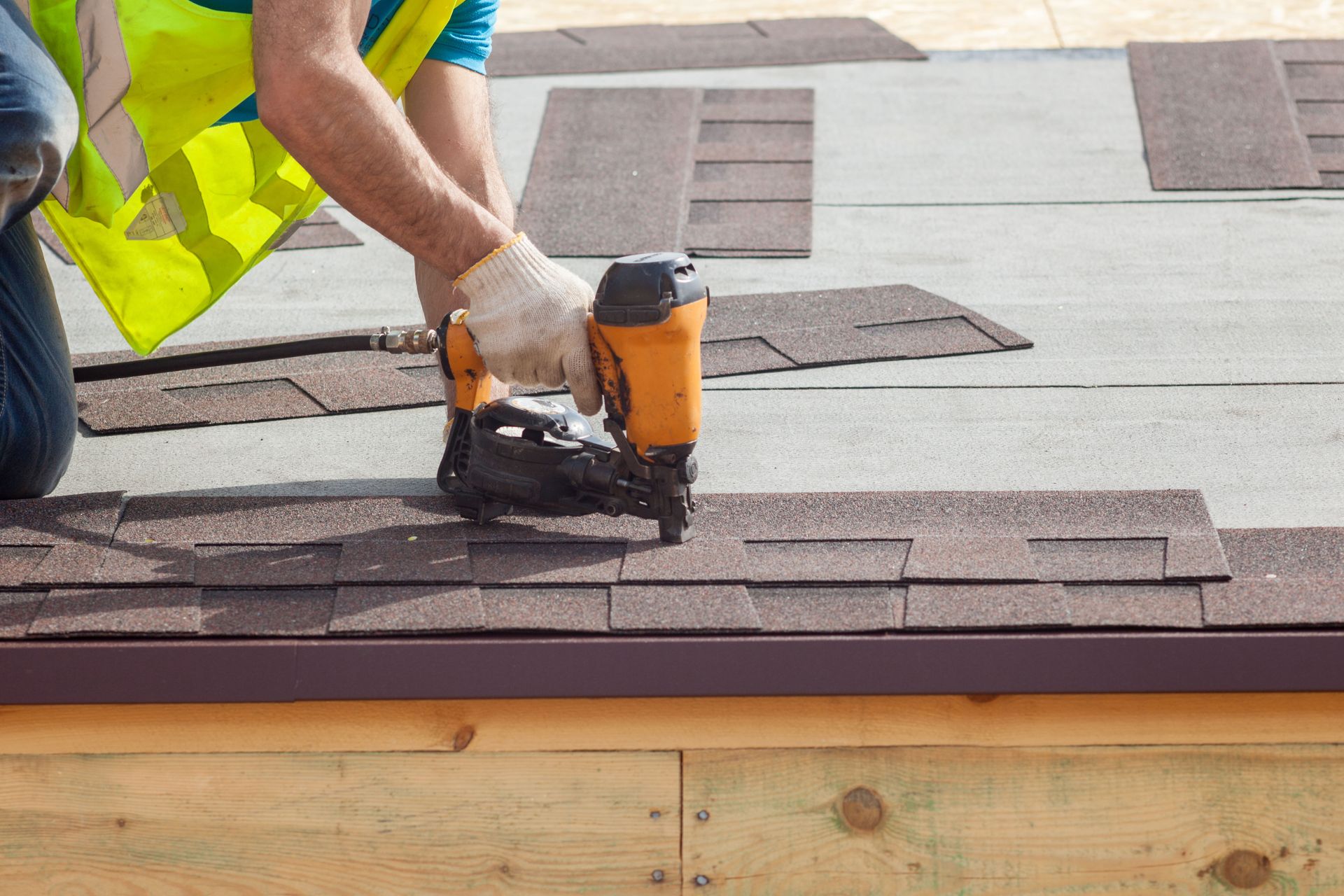
Even the best materials will fail if installed incorrectly. Precision during installation is one of the most important ways a residential roofing contractor ensures long-lasting performance. This includes proper layering, secure fastening, accurate alignment, and meticulous sealing of vulnerable areas.
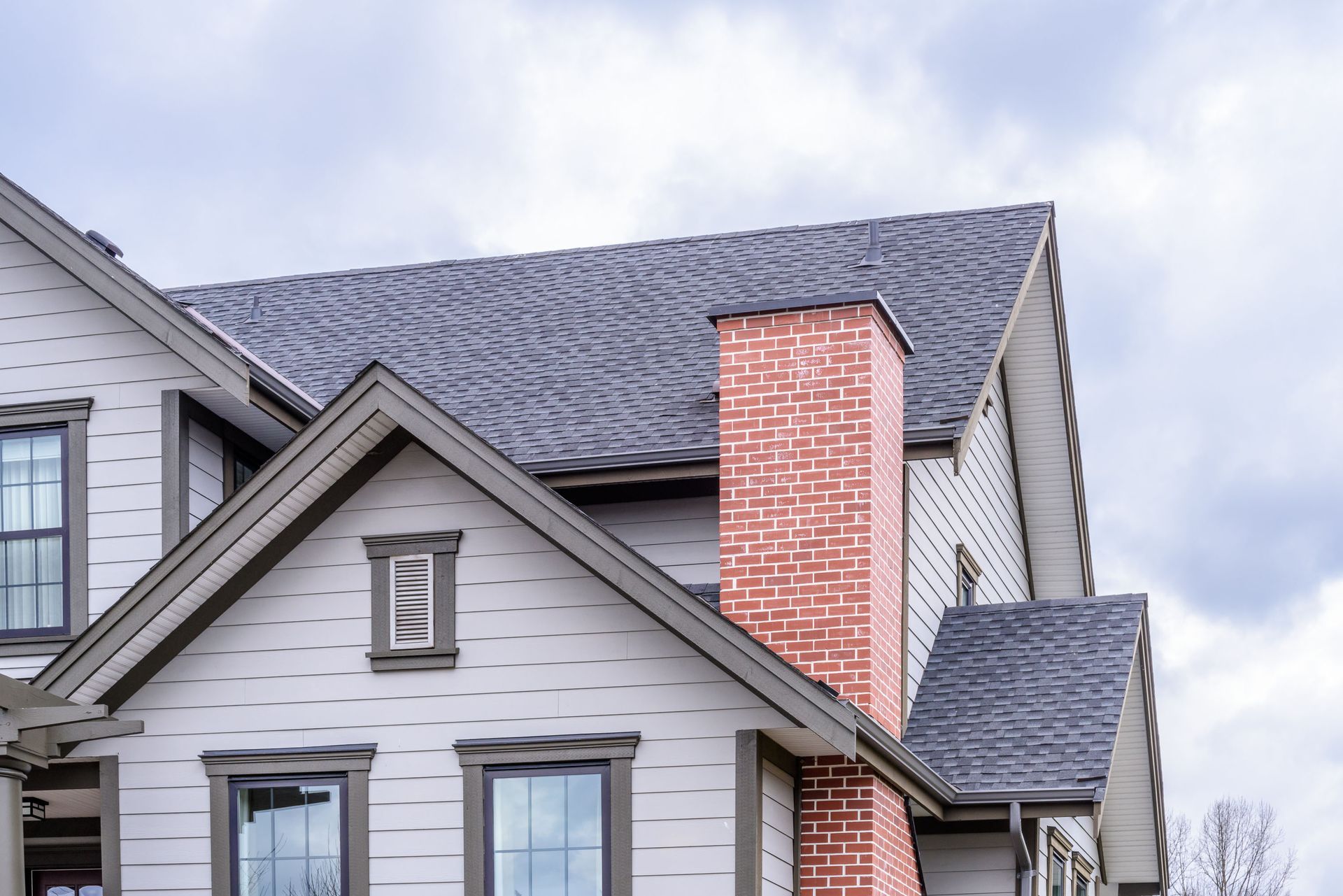
Critical details—such as flashing around chimneys, vents, and valleys—are often where failures occur. Professionals follow manufacturer specifications and industry best practices to eliminate weak points. They also account for expansion and contraction, ensuring the system can adapt to changing weather conditions without cracking or warping.
DIY installations frequently fall short in these areas due to a lack of specialized tools and experience. Small errors, such as improper nail placement or inadequate sealing, can lead to leaks and structural damage over time. Professional installation minimizes these risks and provides a level of consistency that is difficult to replicate independently.
Designing Ventilation Systems That Regulate Moisture
Ventilation is a critical yet often misunderstood component of roof performance. Without proper airflow, heat and moisture can accumulate in the attic, leading to mold growth, wood rot, and reduced material lifespan. A residential roofing contractor designs ventilation systems that maintain balance throughout the year.
This involves integrating intake and exhaust vents to create continuous air circulation. In warmer months, ventilation helps release trapped heat, reducing strain on the roofing materials. In colder months, it prevents condensation that can form when warm indoor air meets a cold roof surface.
Improper ventilation is a common issue in DIY projects, where homeowners may not fully understand airflow dynamics. Professionals ensure that ventilation systems are calibrated to the specific structure of the home, improving both durability and indoor comfort.
Managing Water Drainage to Prevent Structural Damage
Water management is essential for preserving a roof's integrity. A residential roofing contractor ensures that all components—from shingles to gutters—work together to direct water away from the home efficiently. Poor drainage can lead to pooling, leaks, and long-term structural damage.
Contractors evaluate roof slope, gutter placement, and downspout positioning to optimize water flow. They also install underlayment and ice barriers in areas prone to heavy precipitation or freezing conditions. These protective layers act as a secondary defense against moisture infiltration.
Homeowners attempting DIY solutions may overlook these details, focusing primarily on surface materials rather than the complete system. Professional oversight ensures that every element contributes to effective water management, reducing the likelihood of costly repairs.
Performing Routine Inspections That Identify Early Issues
A roof's lifespan is significantly influenced by how well it is maintained. Regular inspections allow a residential roofing contractor to identify minor issues before they escalate into major problems. This proactive approach extends the life of the roofing system and reduces long-term costs.
During inspections, contractors look for signs of wear such as cracked shingles, loose flashing, or clogged drainage systems. They also assess areas that are particularly vulnerable, including roof penetrations and edges. Addressing these issues early prevents water intrusion and structural deterioration.
Routine maintenance is often neglected in DIY scenarios, where problems are only addressed after visible damage occurs. Professional inspections provide a systematic way to monitor performance and ensure the roof continues to function as intended.
Executing Repairs With Long-Term Durability in Mind
When repairs are necessary, quality execution is critical. A residential roofing contractor approaches repairs with a focus on long-term durability rather than quick fixes. This includes matching materials, reinforcing surrounding areas, and addressing root causes rather than symptoms.
For instance, repairing a leak involves more than replacing damaged shingles. Contractors investigate the source of the issue, whether it is faulty flashing, poor ventilation, or structural movement. By resolving the underlying problem, they prevent recurrence and extend the roof's lifespan.
DIY repairs often prioritize convenience over durability, leading to temporary solutions that may fail under stress. Professional repairs, on the other hand, are designed to integrate seamlessly with the existing system and maintain overall performance.
Ensuring Compliance With Codes And Manufacturer Standards
Building codes and manufacturer guidelines exist to ensure safety and performance, but they can be complex and subject to change. A residential roofing contractor stays current with these requirements, ensuring that every project meets or exceeds established standards.
Compliance is particularly important for warranty protection. Many manufacturers require specific installation methods for warranties to remain valid. Failure to adhere to these guidelines can void coverage, leaving homeowners responsible for future repairs.
Professionals also understand local regulations related to permits, inspections, and environmental considerations. This expertise reduces the risk of legal complications and ensures that the roofing system is built to last within regulatory frameworks.
Long-lasting roof performance is not the result of a single decision—it is the outcome of a coordinated process that includes evaluation, material selection, precise installation, and ongoing maintenance. Each phase requires technical knowledge and attention to detail that goes beyond basic construction skills.
Working with a residential roofing contractor provides homeowners with a structured, reliable approach to roof performance. Professionals bring the experience needed to anticipate challenges, implement best practices, and deliver results that stand the test of time. In contrast, DIY efforts often introduce risks that can shorten a roof's lifespan and increase long-term costs.
If you are planning a roofing project or want to extend the life of your current system, partnering with a trusted team is the most effective way to protect your investment. At Summer Exterior Inc, we take a comprehensive, performance-driven approach to residential roofing. Contact us today to schedule a consultation and see how we can help you achieve a durable, long-lasting roof.